




Can Masdeu
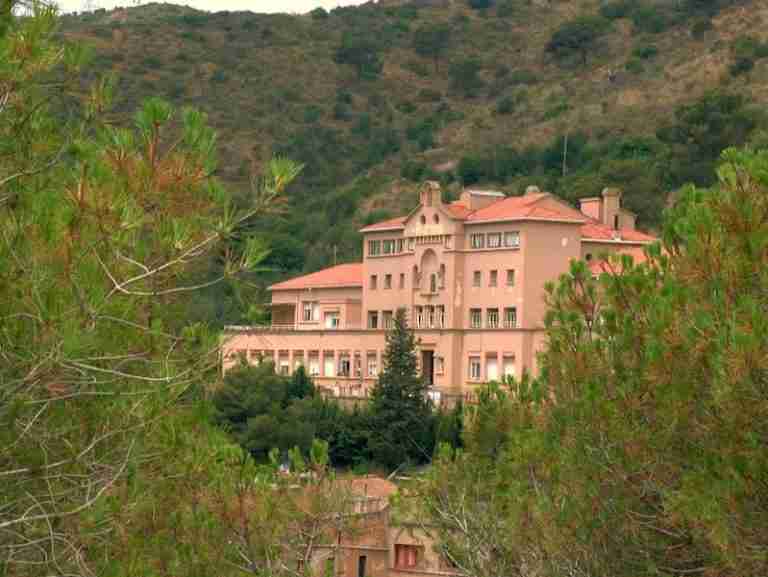
Can Masdeu is a squatted eco-community, social center, and community garden spread across 35 hectares of Barcelona’s Collserola Natural Park. The 17th-century farmhouse served as a leper hospital until 1948, then sat abandoned for over 50 years before international activists occupied it in December 2001, originally to host a Rising Tide climate justice conference.
The community became internationally known in April 2002 when residents successfully resisted eviction through creative nonviolent tactics. Eleven squatters held off over 100 police for three days—dangling from chairs mounted on the building’s exterior, balanced on a seesaw that would drop anyone removed individually, all while hundreds of supporters gathered below. A Barcelona judge ultimately ordered police to withdraw, ruling that human rights take precedence over property rights.
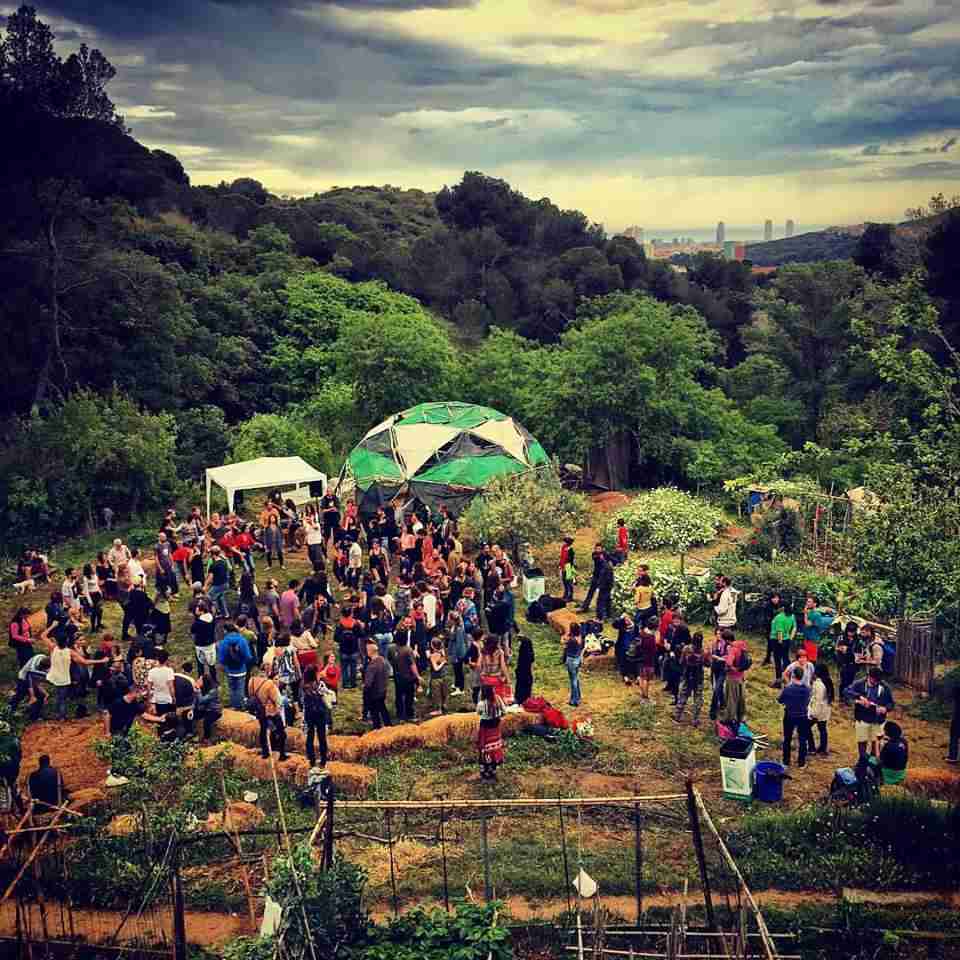
Today, Can Masdeu operates as a network of five interconnected projects: the eco-community residence, the social center (PIC), resident gardens, community plots shared with neighbors from Nou Barris, and a campaign for a climate justice center. Around 10-30 people live permanently in exchange for about €100/month and weekly community labor—far below Barcelona rents. The community practices degrowth principles with solar energy, bicycle-powered appliances, composting toilets, grey water recycling, and organic food production.
The space hosts a rurbar café, bike repair clinic, bread bakery, free shop, and library. It provides meeting space for local schools and progressive movements while offering workshops on permaculture, political ecology, and self-sufficiency. The “Regenerades” program brings 40-50 volunteers weekly for hands-on agroecology. Working languages include Catalan, Spanish, English, Italian, French, and Esperanto.
 Own or work here? Claim Now! Claim Now!
Other Locations Near Here


More from A Radical Guide

